
Move Beyond List-Based Security Toward Agentic Execution
Automation has improved efficiency in security operations. But vulnerability management remains too complex, too variable and too dependent on human judgment to automate effectively at scale.
Risk doesn’t live in a CVE list—it lives in relationships: which asset is exposed, what it connects to, what identities can reach it, what business service depends on it and what threats are active right now.That is where Threat KG creates value. It helps enterprises understand how threats and vulnerabilities actually connect across the environment, then turns that insight into a stronger foundation for agentic AI-based vulnerability management—where triage, prioritization and response are faster, more consistent and easier to govern.
What We Deliver
Threat KG brings together knowledge graphs, graph algorithms and agentic orchestration to help enterprises move from fragmented vulnerability data to intelligent execution.
Transform vulnerability complexity into actionable intelligence
Unify CMDB, VAPT tools, ticketing, cloud inventories and threat feeds to create a clear view of what is exposed, exploitable and business-critical.
Enable agentic AI based vulnerability management
Make decision points, review gates and escalation thresholds explicit so automation becomes controlled, explainable and scalable.
Move faster from insight to remediation workflows
Surface attack paths and remediation dependencies, then translate them into prioritized actions teams can reuse and govern.
How Threat KG Transforms Real Security Work
Threat KG turns CMDB data, vulnerability scan outputs, audit logs and threat intelligence into execution-ready, context-driven workflows by making relationships, decisioning and variability explicit.

SOC & Security Operations – Alert & Exposure Triage
From: Disconnected alerts, vulnerability findings and asset records across tools
To: A unified threat view that connects alerts to affected assets, reachable paths and active threats—reducing noise and speeding analyst decisions

Vulnerability Management – Prioritization & Remediation Planning
From: CVE lists ranked by severity alone and manual SME-driven prioritization
To: Graph-algorithm-driven prioritization based on exploitability, relationships and business impact—so teams fix what reduces risk the most

Compliance & Audit – Evidence & Traceability
From: Point-in-time spreadsheets and manual evidence gathering during audits
To: Continuous mapping between assets, vulnerabilities, controls and remediation tickets,mimproving traceability and audit readiness

Cloud & Hybrid – Relationship-Aware Risk Paths
From: Siloed cloud inventories and partial visibility into service-to-service dependencies
To: Relationship mapping that reveals hidden risk paths across cloud, network and identity layers so exposure is understood in context

Threat Intelligence – Faster Correlation to Your Environment
From: Threat reports that are hard to operationalize and time-consuming to map to internal assets
To: Contextual links between TTPs/IOCs and your environment, accelerating investigation and targeted remediation
From Threat Insight to Agentic Execution
Turn connected threat intelligence into workflows designed for intelligent, adaptive execution.
- Unified threat view: See vulnerabilities, assets and threats in one connected model
- Relationship mapping: Understand how exposure propagates across systems, identities and dependencies
- Graph-based prioritization: Rank work by business impact and exploitability—not volume
- Actionable recommendations: Drive proactive actions based on evolving threat patterns
- Governed agentic transition: Define autonomy boundaries, review gates and escalation paths
How Threat KG Drives Value
Unlock faster investigations, stronger control and a scalable path to agentic AI-based vulnerability management.
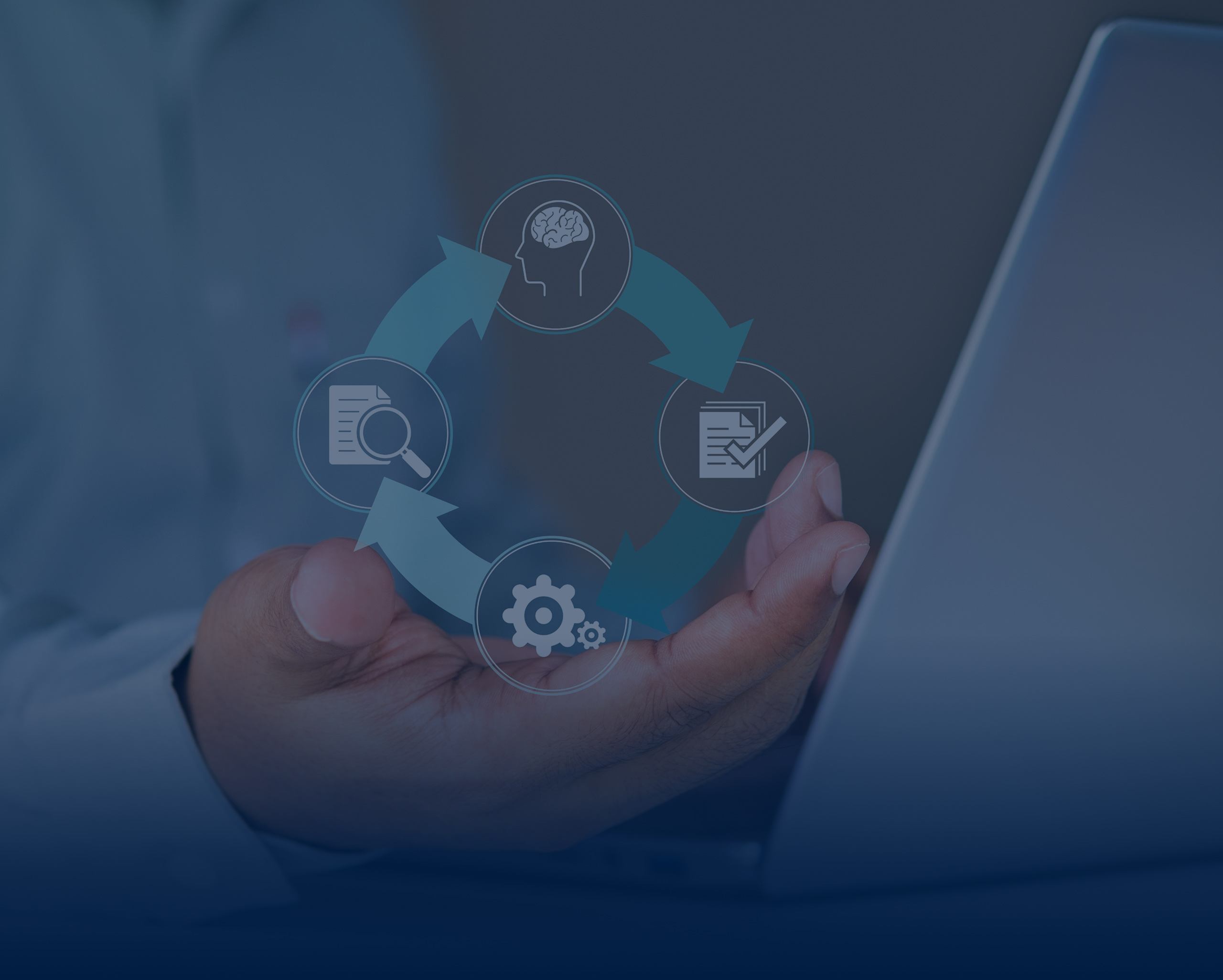
Identify prioritization hotspots
Pinpoint vulnerabilities and assets that drive the highest exposure based on connectivity, reachability and business impact.
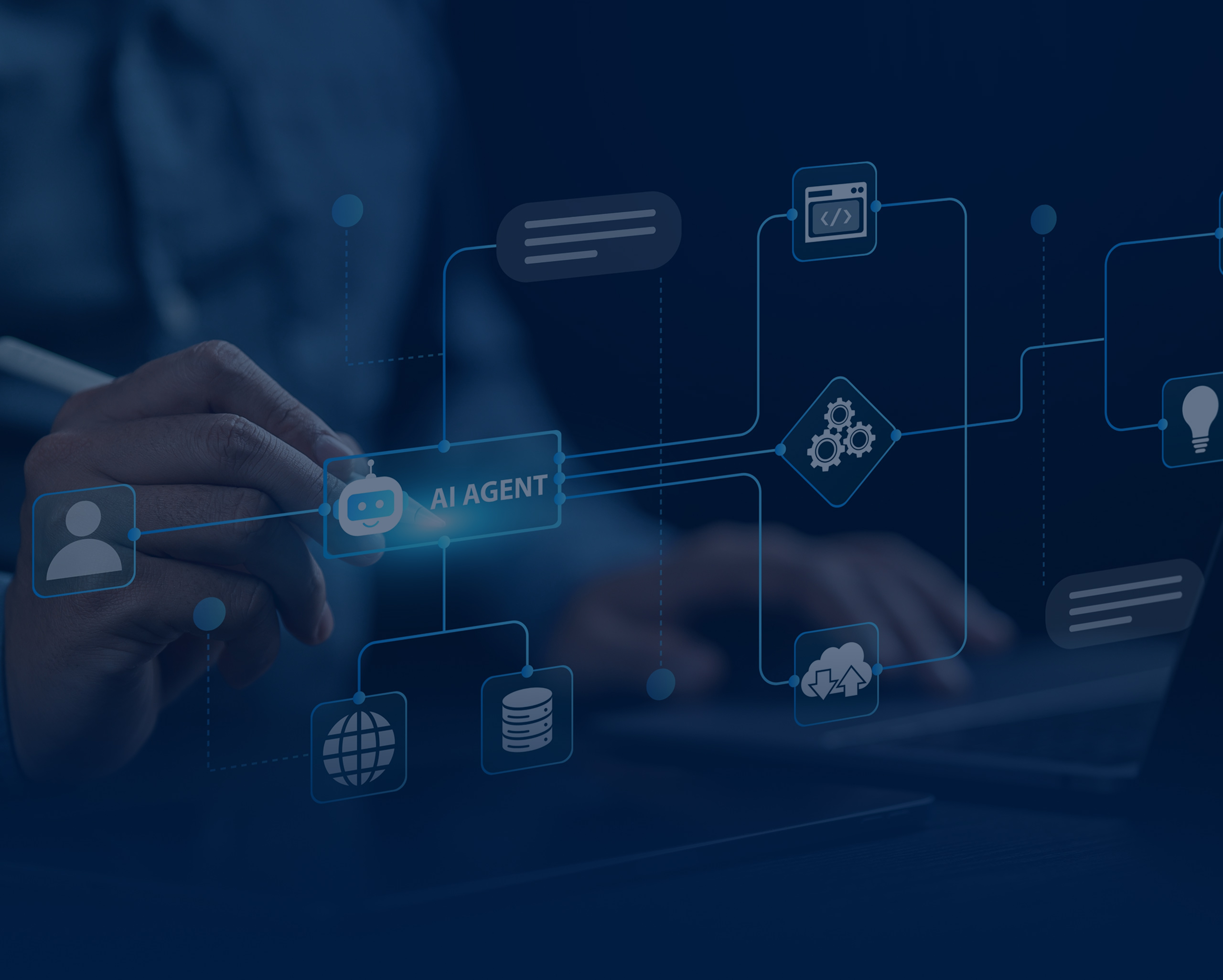
Convert security knowledge into reusable decisioning
Capture how SMEs prioritize and escalate, so execution becomes consistent and reviewable.

Reduce investigation time
Minimize manual correlation with a relationship-aware view of exposure and threats.

Improve measurable outcomes
Support results like <60% improvement in threat prioritization efficiency, <30% reduction in investigation time and <25% reduction in MTTD.

Scale with governance and traceability
Maintain explainability, audit trails and reviewability as automation increases.
News & Insights
Access our latest thought leadership and update on Threat KG.



Contact us
(*) Asterisk denotes mandatory fields